
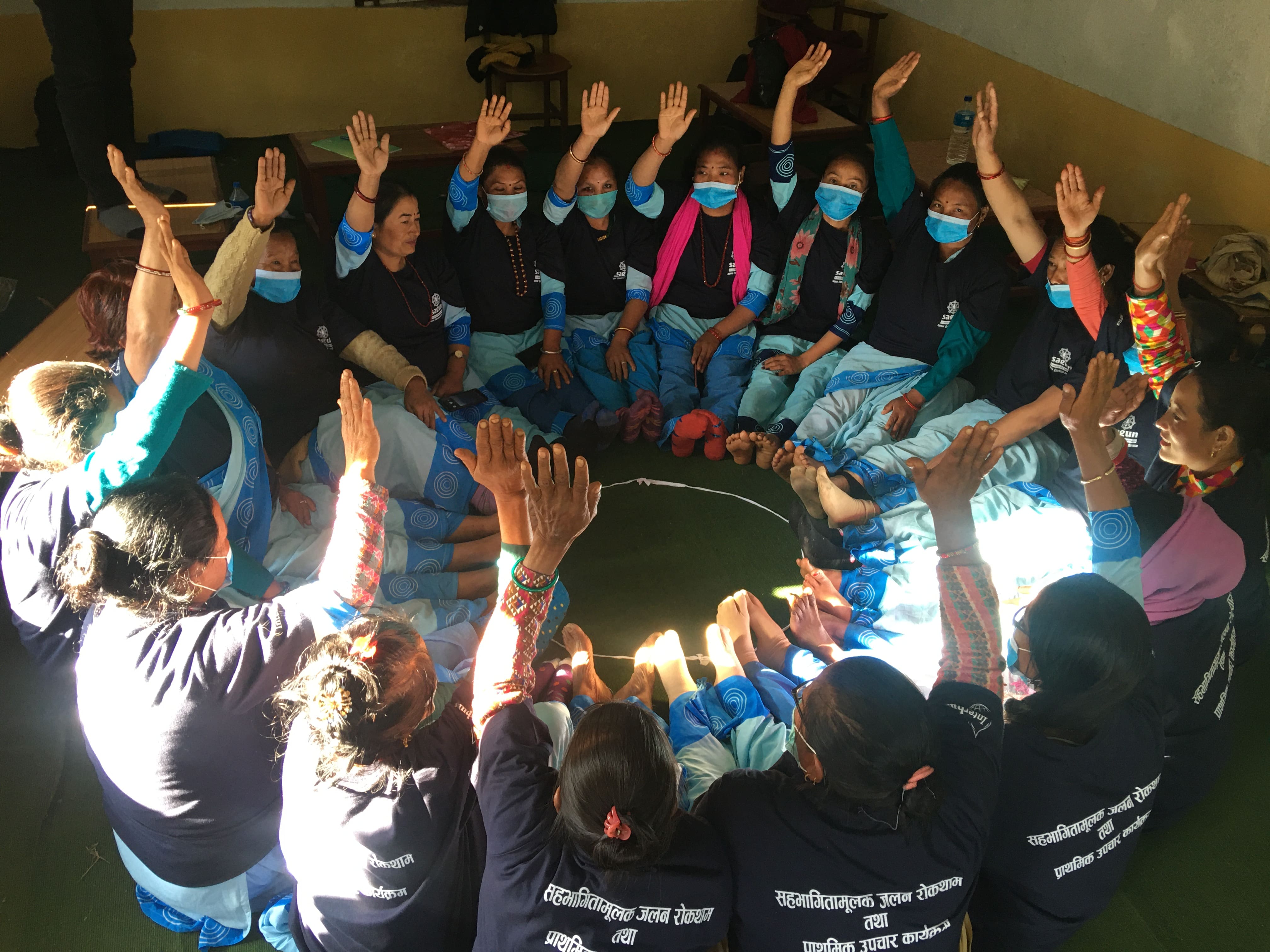
Participatory Development
In today’s world, development is no longer seen as something that happens to people—it is something that happens with them. This shift in perspective has given rise to participatory development, an approach that actively involves communities in shaping their own social, economic, and environmental progress.
What is Participatory Development?
Participatory development is a process in which community members take an active role in planning, implementing, and evaluating projects that affect their lives. Unlike traditional development models, which often impose solutions from the outside, participatory development recognizes that local people are experts in their own realities. Their knowledge, experience, and priorities guide the development process, making outcomes more relevant, effective, and sustainable.
Key Principles of Participatory Development
- Inclusion and Equity
Everyone in the community, including marginalized groups, has a voice in decision-making. This ensures that development benefits are distributed fairly. - Empowerment
People gain the skills, confidence, and resources to influence decisions affecting their lives. - Collaboration
Government agencies, NGOs, and other stakeholders work with, not for, the community. - Transparency and Accountability
Decision-making processes are open, and those responsible are answerable to the community. - Sustainability
Solutions are grounded in local knowledge and resources, increasing the likelihood of long-term success.
Methods and Tools
Participatory development uses a variety of approaches to engage communities effectively:
- Participatory Rural Appraisal (PRA): Uses visual and interactive tools like mapping and ranking to gather community insights.
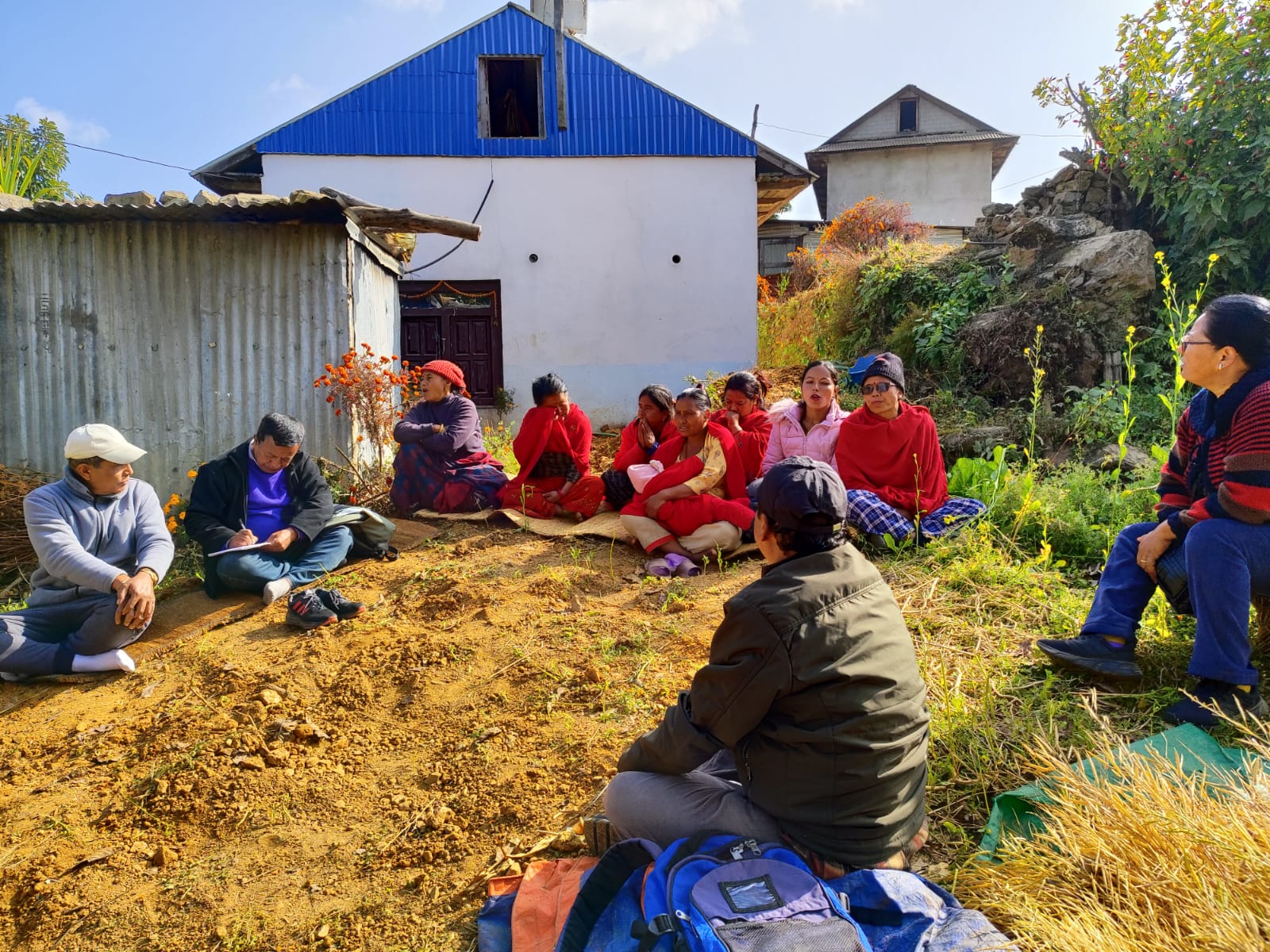
- Focus Group Discussions: Facilitates group conversations to identify needs and priorities.
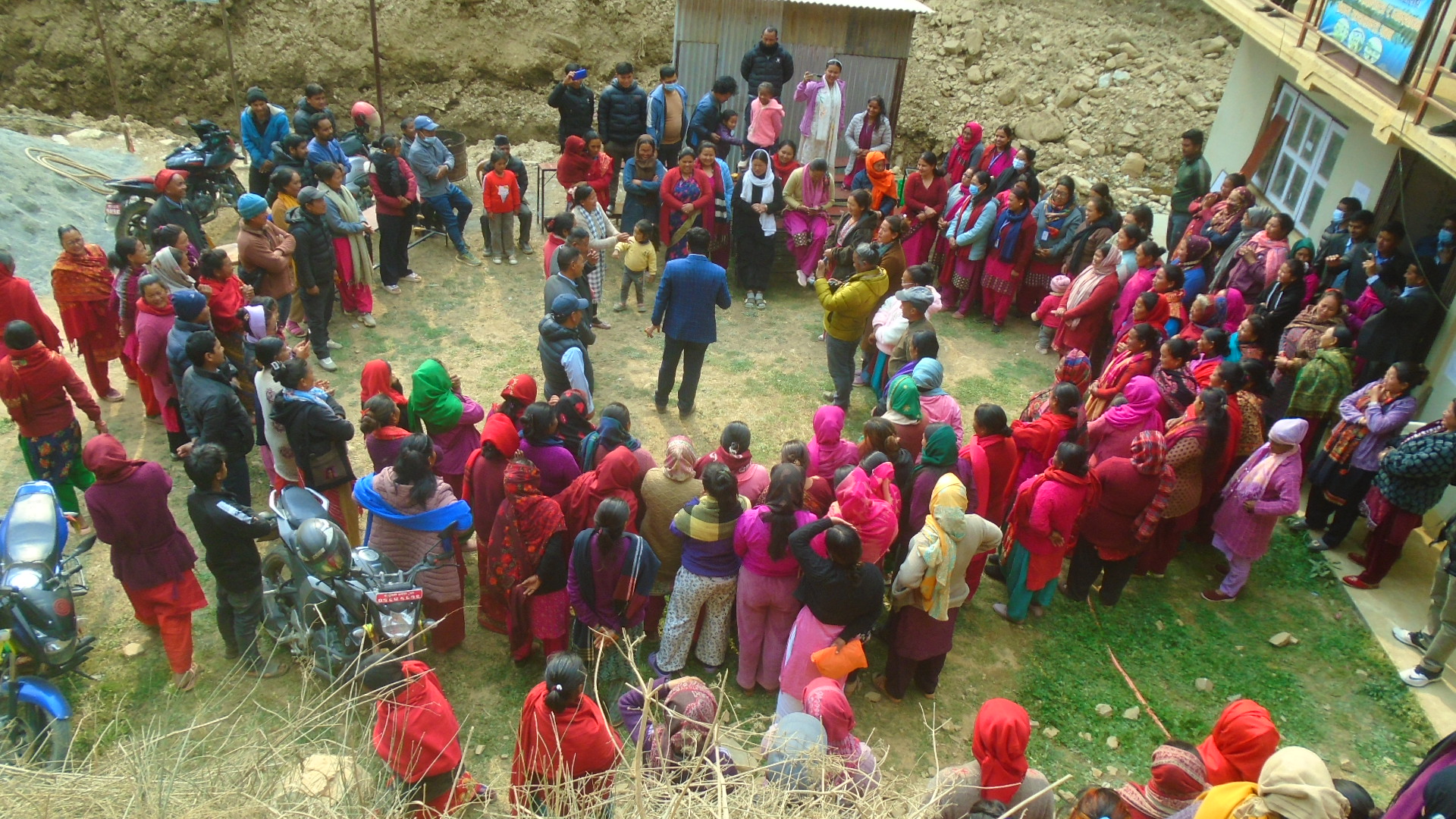
- Community Meetings and Workshops: Encourages collective decision-making and planning.
- Participatory Monitoring and Evaluation: Involves community members in tracking progress and suggesting improvements.
Benefits of Participatory Development
- Relevance: Projects meet actual community needs rather than perceived ones.
- Ownership: Communities are more likely to sustain initiatives they helped create.
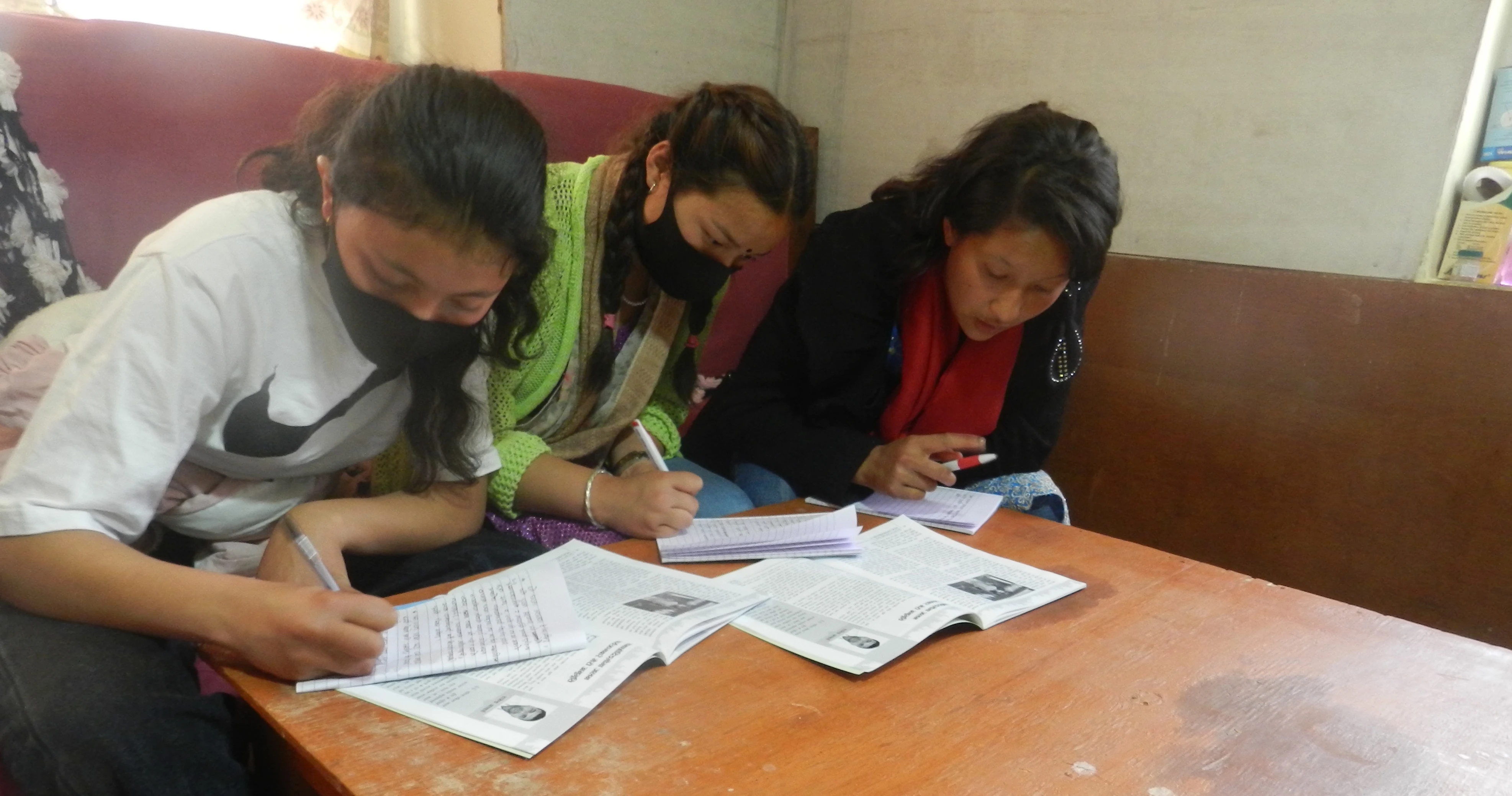
- Capacity Building: Individuals develop skills, knowledge, and confidence.
- Social Cohesion: Participation fosters collaboration and strengthens community bonds.
Challenges
While participatory development offers many benefits, it is not without challenges:
- Power imbalances can limit true participation.
- Decision-making processes may take longer due to extensive consultations.
- Some communities may lack the technical knowledge needed for certain projects.
Addressing these challenges requires careful facilitation, sensitivity to local contexts, and ongoing support.
Conclusion
Participatory development is more than a methodology—it is a philosophy that values people as partners in their own development. By involving communities in every stage of a project, development becomes not just a top-down intervention but a collaborative journey toward sustainable and meaningful change.