


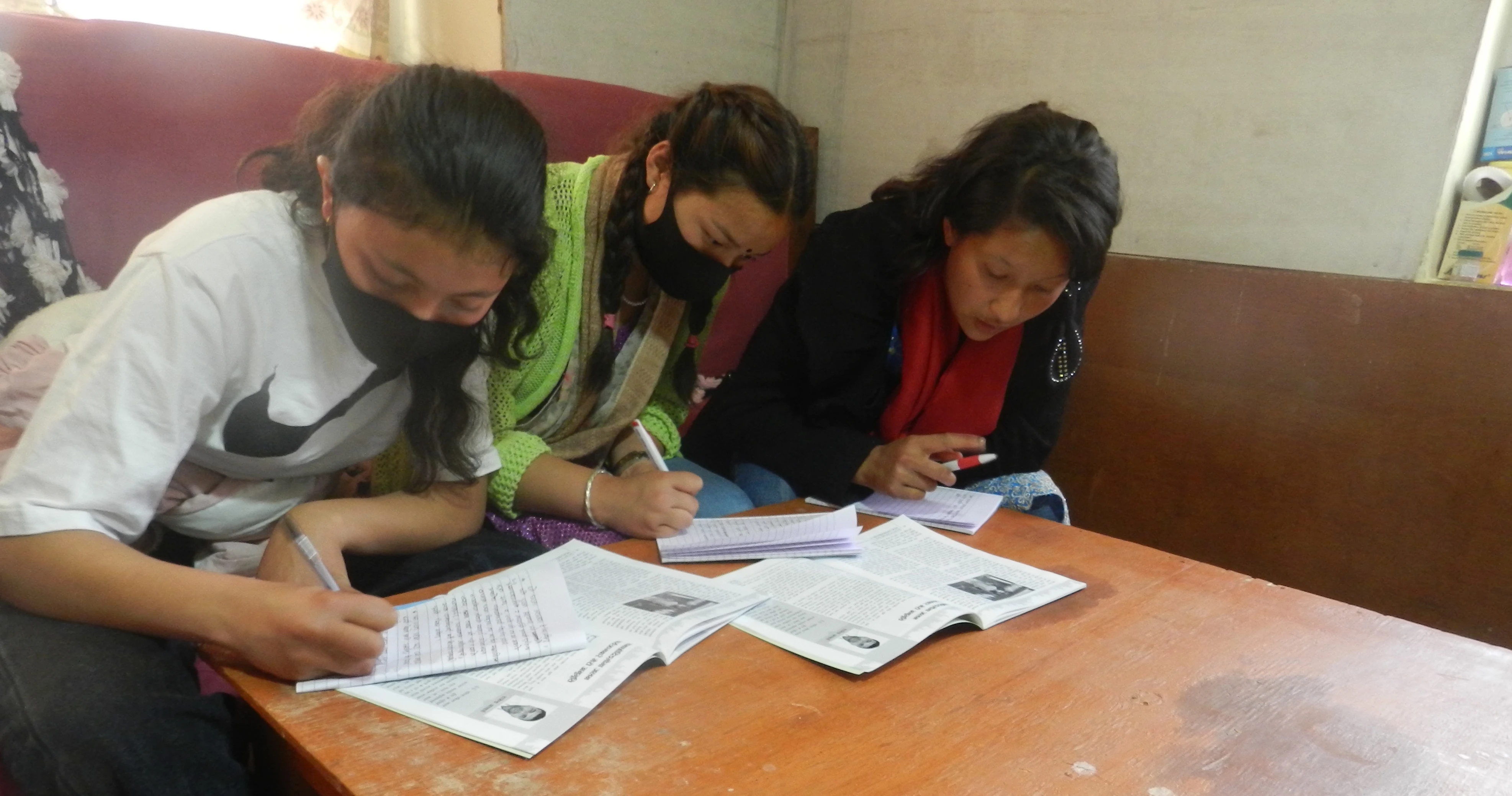
Education is more than classrooms, textbooks, and exams—it is the foundation upon which individuals, communities, and nations grow. Quality education goes beyond simply providing schooling; it focuses on ensuring that every learner gains the knowledge, skills, values, and opportunities needed to thrive in a rapidly changing world.
Quality education means inclusive, equitable, and learner-centered education that equips students with not only academic knowledge but also critical thinking, creativity, life skills, and values that promote lifelong learning.
It is closely aligned with Sustainable Development Goal 4 (SDG 4), which aims to “ensure inclusive and equitable quality education and promote lifelong learning opportunities for all.”
Education must be available to everyone regardless of gender, location, disability, or economic background.
Teachers are the heart of the education system. Skilled, well-trained educators create engaging and effective learning environments.
Curriculums should reflect real-world challenges, technological changes, and the skills demanded by modern jobs.
Clean classrooms, strong school management, and a positive emotional environment help learners feel safe and motivated.
Digital tools, online learning, and smart classrooms expand access and make education more interactive and personalized.
Students with disabilities, marginalized communities, and girls should have equal learning opportunities without discrimination.
Quality education encourages students to continue learning beyond school through skills training, higher studies, and professional development.
Despite progress, many countries still face barriers:
Overcoming these challenges requires strong policies, community involvement, and investment in education systems.
Quality education is the most powerful tool for transforming individuals and societies. When every child receives a meaningful, inclusive, and empowering education, they gain the confidence and skills to build a better future—for themselves, their families, and their communities. Investing in quality education today means building a stronger, smarter, and more sustainable world tomorrow.


Designed and Developed By App Technologies. All Rights Reserved.