Participatory Research
Research is often seen as something conducted on people, but a more inclusive approach focuses on conducting research with people. This is the essence of participatory research—a method that actively involves community members in the research process, making outcomes more relevant, accurate, and actionable.
What is Participatory Research?
Participatory research (PR) is a collaborative approach where researchers and community members work together to identify problems, collect data, analyze results, and implement solutions. Unlike traditional research, which often treats participants as passive subjects, participatory research recognizes local knowledge and experience as valuable expertise.
Key Principles
- Collaboration
Researchers and community members work as partners at every stage. - Empowerment
Participation enhances community capacity, confidence, and decision-making. - Equity and Inclusion
All voices, including marginalized groups, are considered and valued. - Action-Oriented
The goal is not just knowledge creation but also practical change that benefits the community. - Reflexivity and Transparency
Researchers continuously reflect on their role and ensure openness in methods and outcomes.
Methods and Tools
Participatory research uses several tools to engage communities:
- Participatory Rural Appraisal (PRA): Maps, charts, and ranking exercises to visualize local issues.
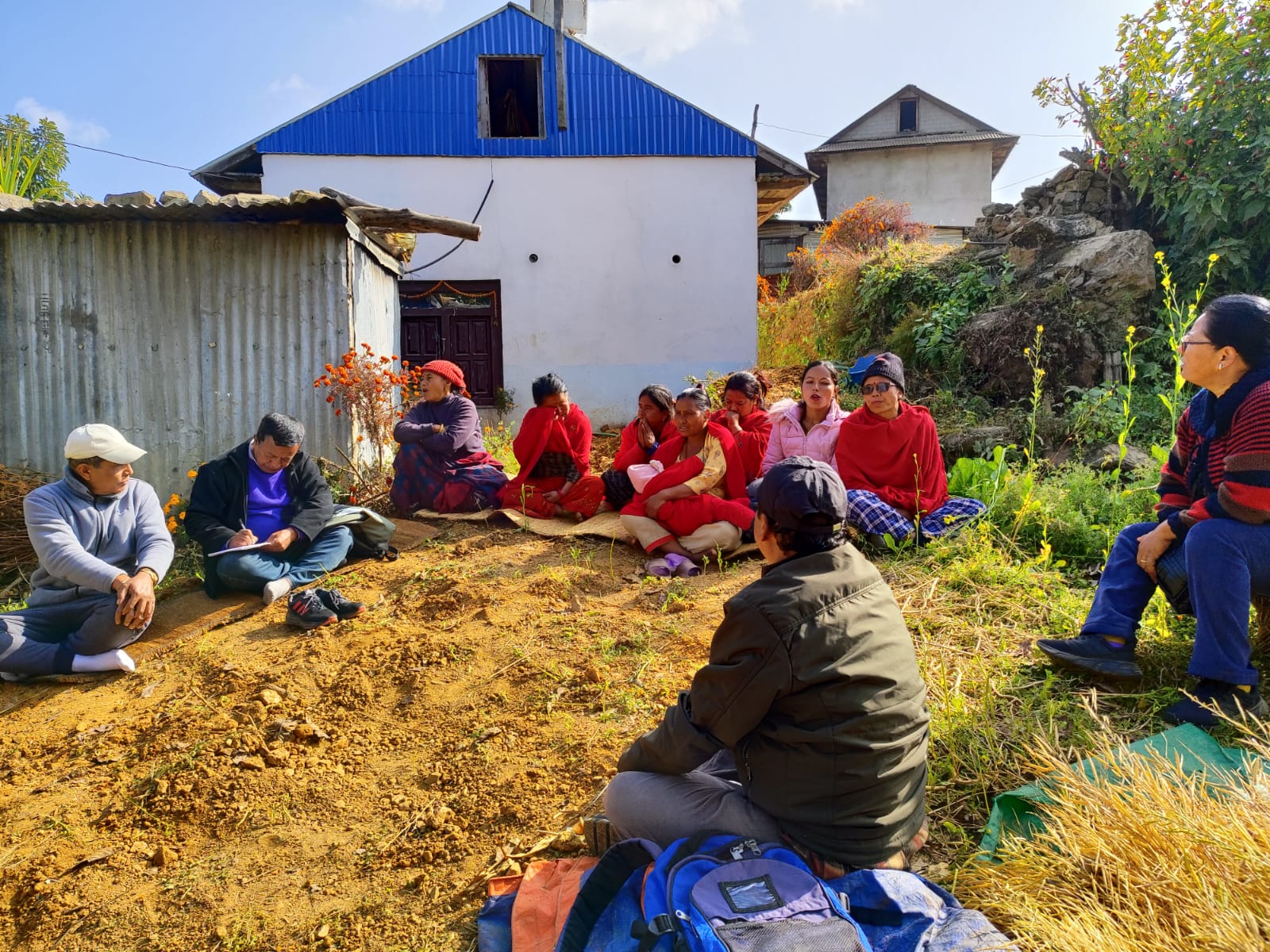
- Focus Groups: Open discussions to explore community perspectives.
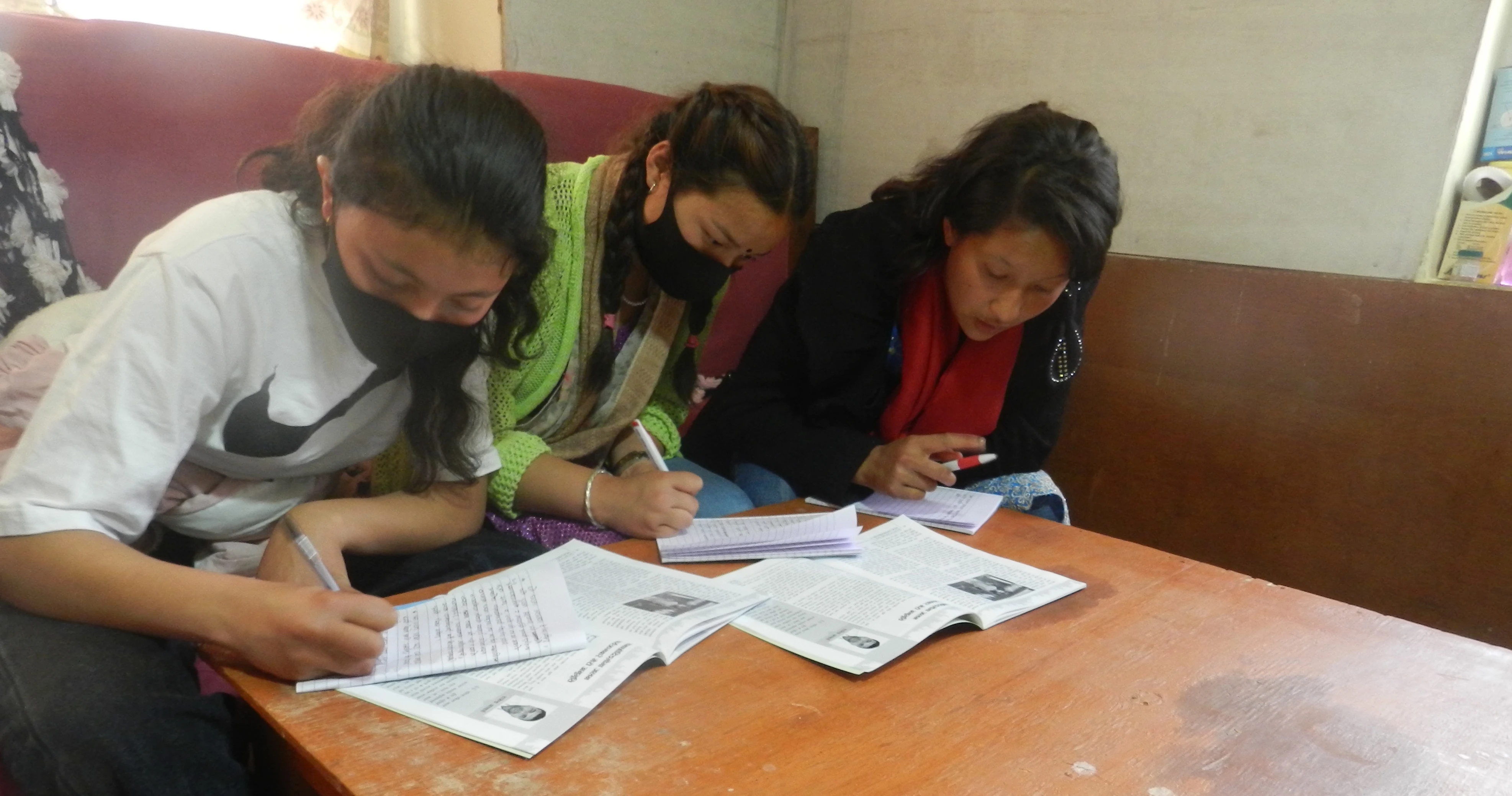
- Surveys Co-Designed with Participants: Ensures questions reflect local realities.
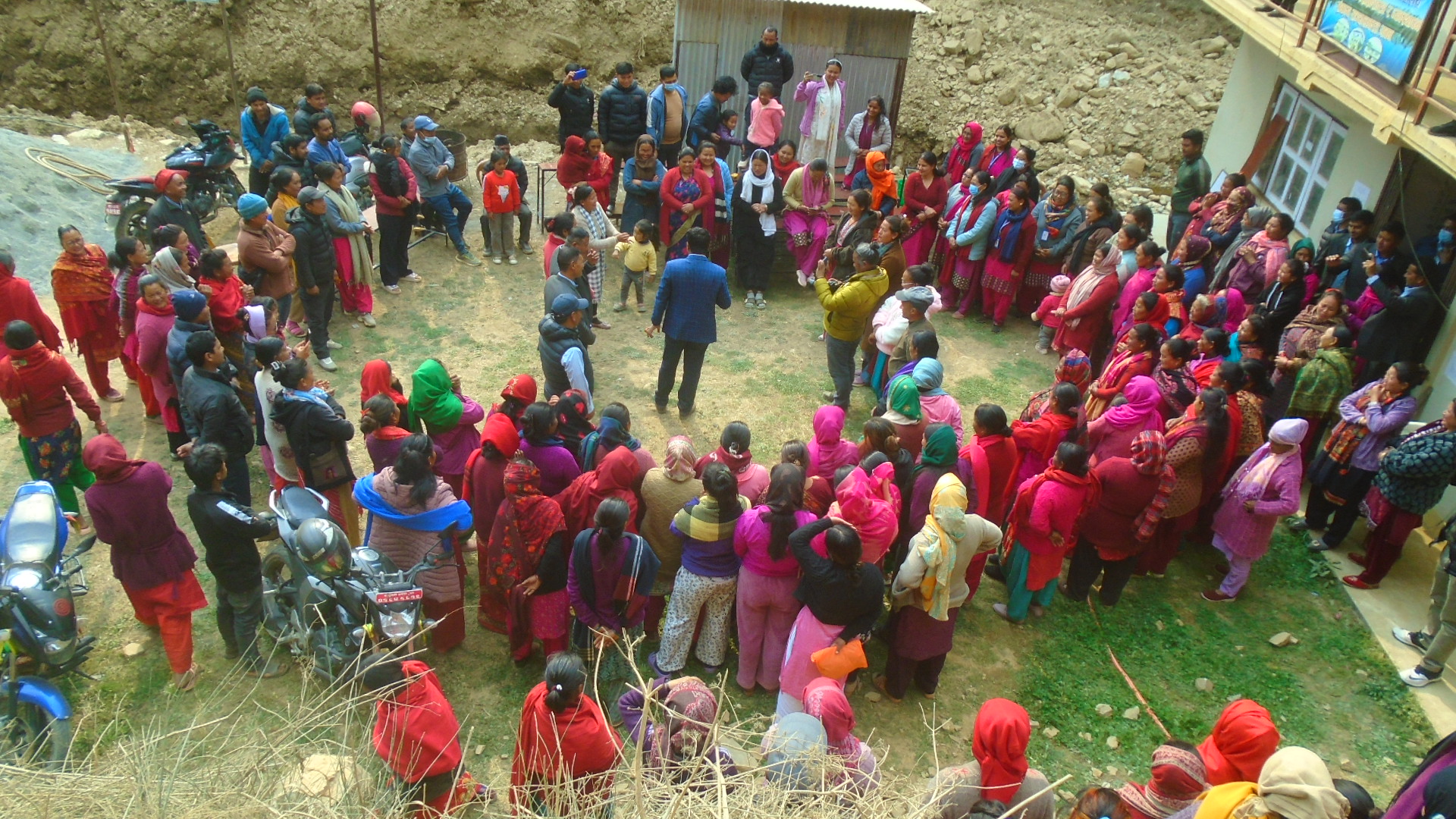
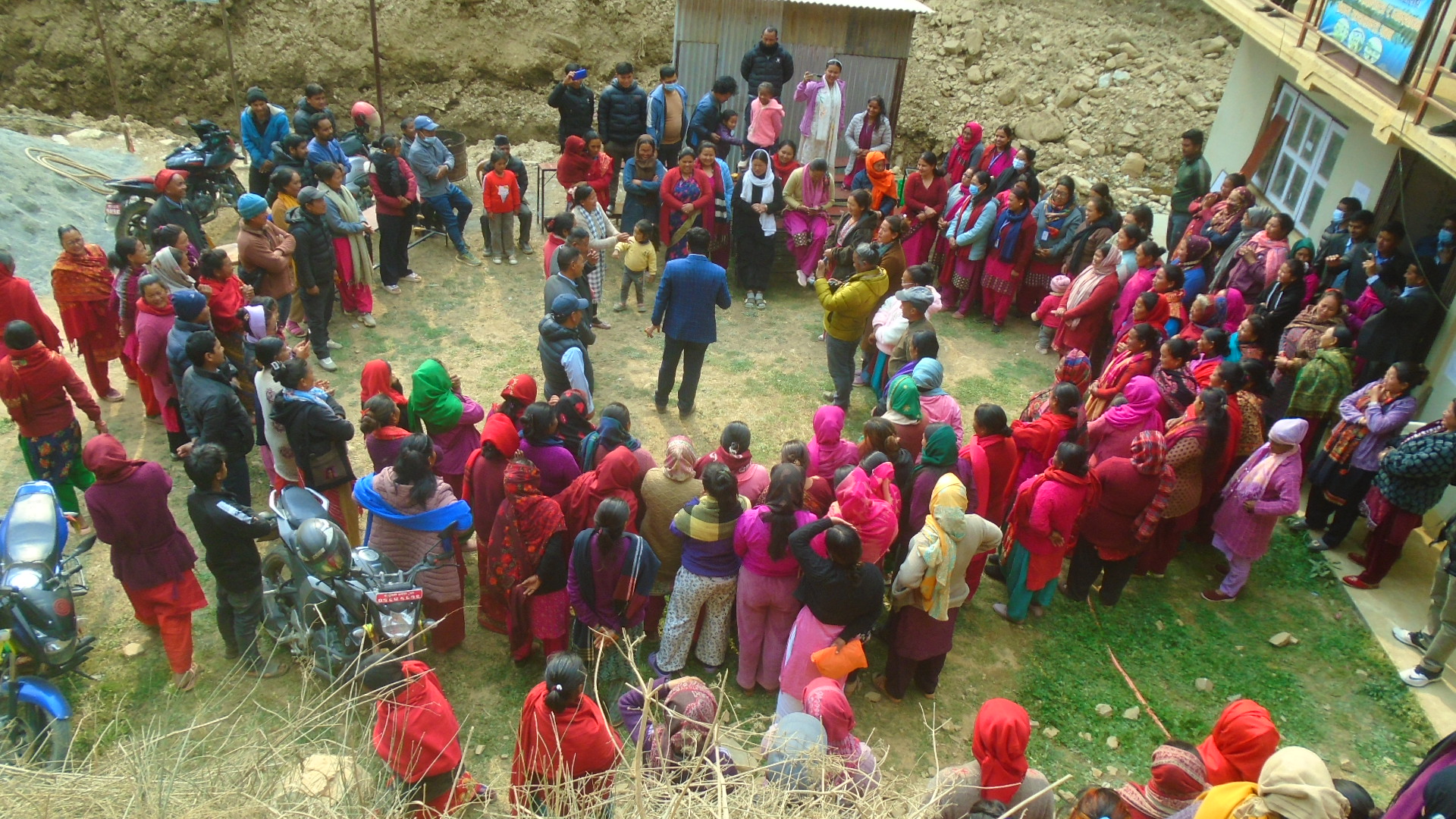
- Community Workshops: Collective analysis and solution planning.
- Participatory Action Research (PAR): Combines research and action to solve problems in real-time.
Benefits of Participatory Research
- Relevant Insights: Research reflects real community needs.
- Enhanced Ownership: Communities are more likely to support and sustain outcomes.
- Capacity Building: Participants gain research skills and knowledge.
- Stronger Relationships: Builds trust between researchers and communities.
- Practical Impact: Findings are directly applicable to local solutions.
Challenges
- Time-Consuming: Collaboration requires more time than traditional research.
- Power Dynamics: Ensuring all voices are equally heard can be challenging.
- Resource Intensive: May need additional training, facilitation, and coordination.
Conclusion
Participatory research bridges the gap between academic knowledge and community needs. By involving people as co-researchers rather than mere subjects, it creates relevant, actionable, and sustainable solutions. Ultimately, participatory research is not just about studying communities—it’s about empowering them to shape their own future.